
Resolving Billing Disputes: What to Ask Before You Pay Your Estate Bill
A service charge should show what each amount is for and how it was worked out. Here is what residents can check, and how an exco can publish a monthly statement that answers those questions before they’re asked.
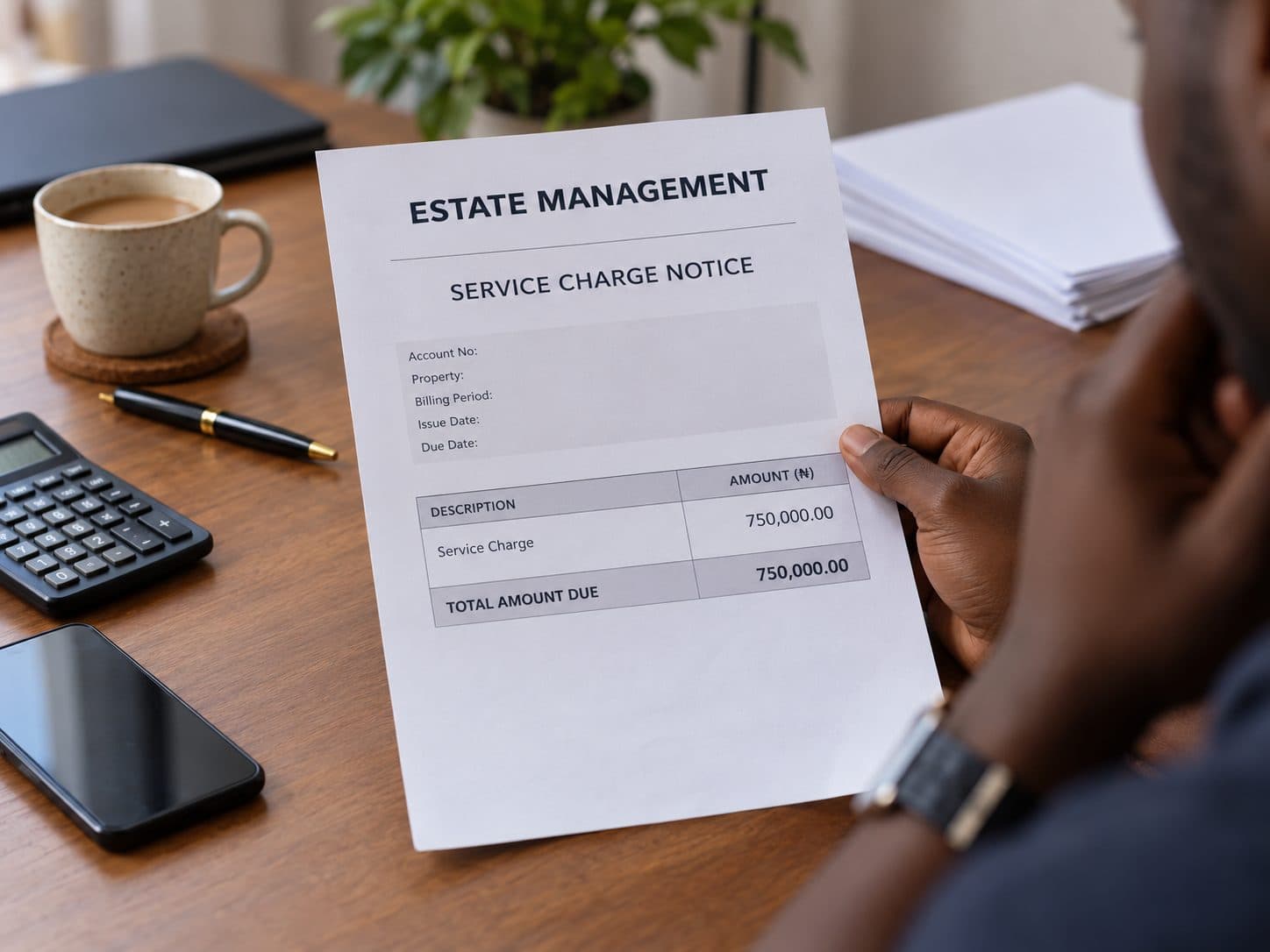
Picture a bill that arrives on the same day every year. The total is higher than last time. The only line that matters says “service charge”, with no explanation of what it covers or how it was calculated. This is an illustrative example, but residents in many estates have faced the same thing.
It has happened in real estates too. In 2020, residents of 1004 Estate in Victoria Island complained of an arbitrary increase in service charge, with no matching improvement in services or accountability. In 2022, a BusinessDay survey found that 75 per cent of residents polled in Lagos serviced estates said services had dropped, and some managers passed diesel costs on to tenants through higher charges or fewer services.
Every resident is also, at some point, the person answering these questions. Excos pay the same bills, live in the same estates, and get the same calls. So this article has two parts: what residents can check, and what excos can publish to answer those checks before they become disputes.
For residents: three questions to ask about any bill
What is each amount for? A bill should list service charge, diesel, electricity, security, cleaning and repairs separately. If the whole amount is one figure, ask for the breakdown.
How was it worked out? A fixed rate, a share of total costs, or a meter reading. Ask for the basis, not just the total.
What have I already paid, and is it recorded? Your payment history and receipts should match what you paid. If the estate uses Home Access, these are in the app.
Where disputes usually come from
- Mark-ups. An estate surveyor interviewed in 2020 described facility managers adding a percentage on top of contractor costs, and gave 15 per cent as an example. Ask whether any contractor cost on your bill includes a mark-up, and what it is.
- Estimated bills. In the 2022 survey, one resident complained about estimated bills and metering. If your bill is estimated, ask for the meter reading or the basis for the estimate.
- Fuel. When diesel prices rose sharply in early 2022, some managers passed the cost on. Ask how much fuel was bought, at what price, and whether it’s included in your charge.
Ask for the monthly statement
The most useful document for any of these questions is the Members summary from the estate’s monthly statement. It shows the money in and out for the month, every expense with its receipt reference, and whether the bank balance matches the books. It doesn’t show other residents’ balances.
For excos: why publishing it helps you
Most bill queries are the same two questions: what is this for, and how was it worked out? A monthly statement answers both once, for everyone, so you’re not answering them one at a time in the estate group chat.
- Every expense has a receipt reference. When someone asks about a payment, you can point to the reference rather than searching for the receipt.
- The bank check is on the page. The statement shows whether the bank balance matches the books. If it doesn’t, you can say so and explain the gap, rather than leaving residents to guess.
- It’s a dated record. When residents or a general meeting ask what came in and went out, you have a signed document that shows it.
Two things to get right. Share the Members summary only. The statement’s Collections tab lists every unit with the occupant’s name and balance, and that should stay with the exco. And the statement is not automatic: the figures come from your bank statement and your expense records each month. If your estate runs on Home Access, the bills and payments are already in the app, so the collection figures come from an export rather than being typed in.
If the answer is still unclear
- Put the question in writing to the estate manager or the exco. Include the amount, the date on the bill, and exactly what you want to see.
- Ask for a reply within a set number of days, and keep a copy of everything you send and receive.
- If you still don’t have a clear answer, raise it at the next general meeting, where the records can be reviewed in front of residents.
Keep your own records too: every receipt, bank transfer and letter. A dispute is easier to settle when both sides are working from the same figures.

Sam
Home Access Technology Ltd · 16 October 2026